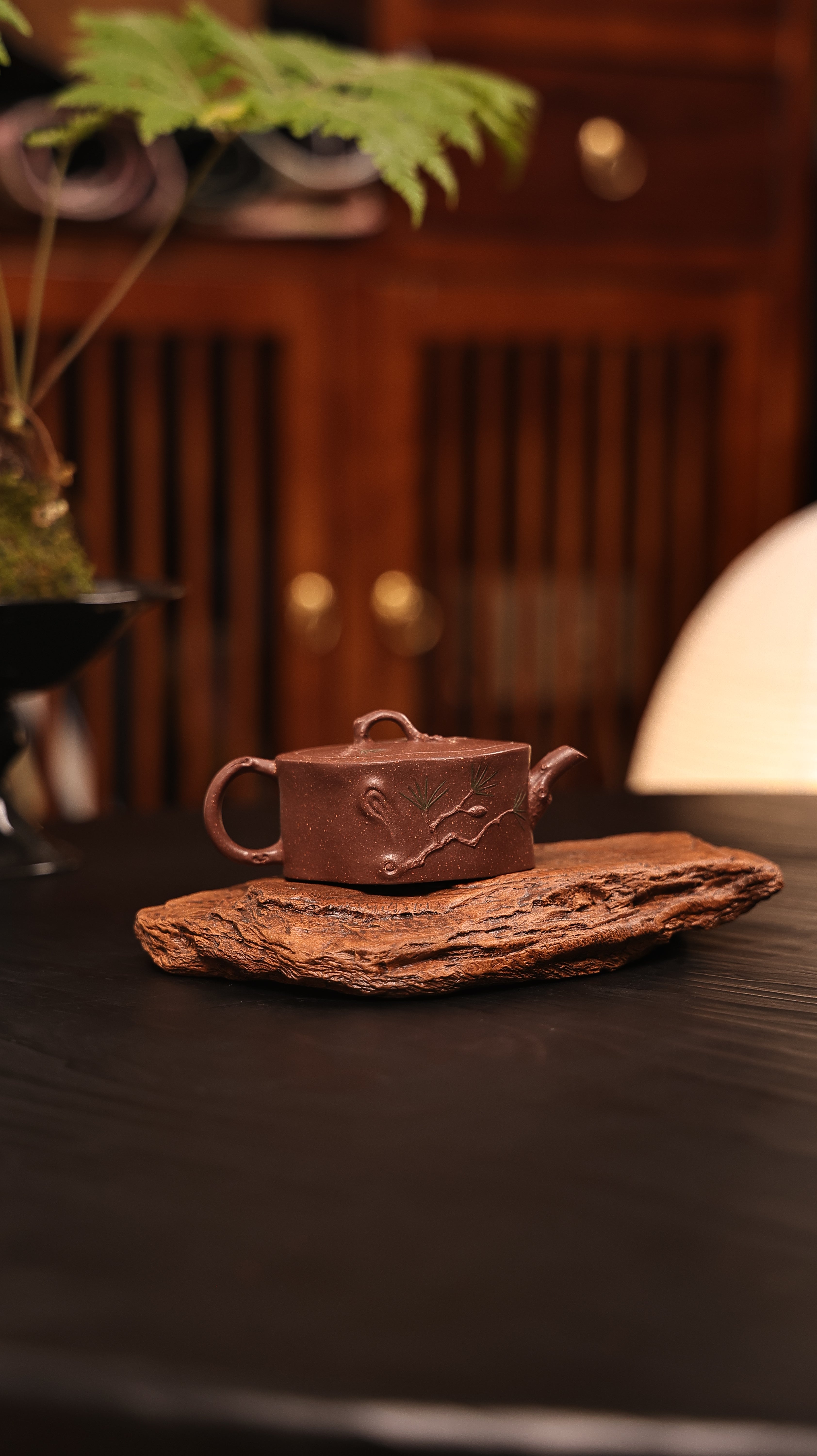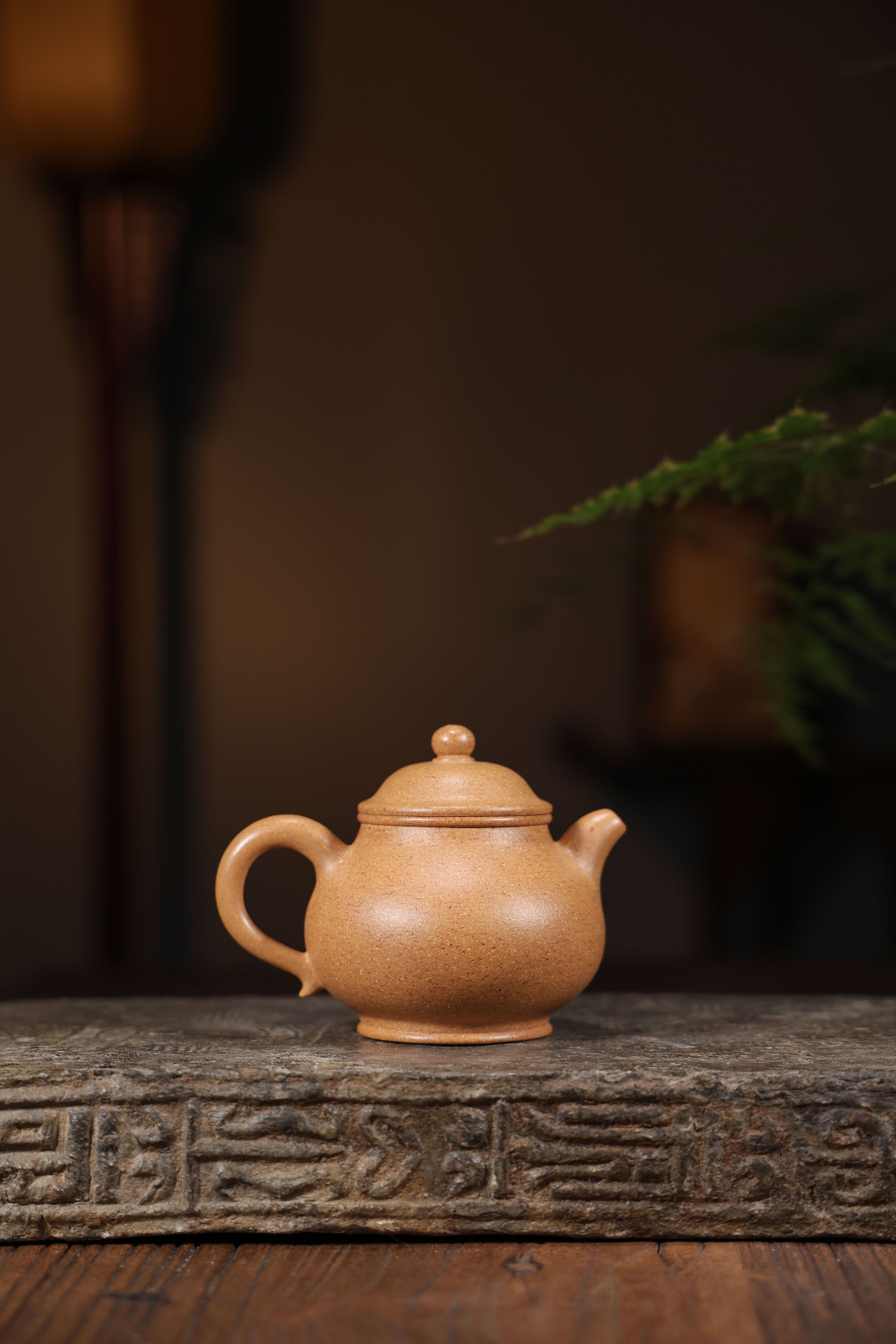
Times of aficionados have sought the exceptional fascination of Yixing Zisha pitchers. Born in the secluded town of Yixing, the nation, these pots are crafted from a exotic and collected purple clay acknowledged for its unmatched thermal characteristics and potency to augment the essence of infusions. Apart from their practical value, Zisha teapots manifest a time-honored customary background, causing them extremely prized and a veritable marvel for any devoted teapot lover.
Exploring Yixing Kettles
Traditional teapots showcase a noteworthy synthesis of history and expert craftsmanship. Emerging in Yixing, Jiangsu Province of China, their narrative originates in the Ming Dynasty, although traces suggest earlier iterations. The rare plum clay, called Zisha, found uniquely in the Yixing region, is the vital component, contributing to the pots' exceptional heat stability and the manner they control the notes of tea. Periods of potters have polished techniques—often bestowed through families—including shaping the clay, applying exquisite embellishments, and firing the pots at controlled temperatures.- Historically, Yixing teapots were often furnished with simple designs.
- Eventually, more ornate carvings and decorative motifs became popular.
- The oven firing itself is a essential element, requiring decades of proficiency.
Amassing Zisha Teapots: Essential Criteria
Beginning a campaign to acquire Zisha containers can be fulfilling, but it’s required to understand what to identify. Authenticity is principal; focus on the substance’s natural hue, a soft reddish-brown is regular. Examine the surface; genuine Zisha has a exclusive tactile sensation, often portrayed as slightly grainy. The profile should be balanced and consistent with authentic styles, while marks, if present, require meticulous examination for truthfulness. Don’t hesitate to consult with expert connoisseurs or dependable authorities – their wisdom is essential.
The Earthenware: Understanding the Lineage of the Yixing Purple Earth
Generations have seen Yixing Ming Clay teapots hold a notable role in Chinese civilization. These finely fashioned pots, sourced exclusively from the locale of Yixing, are famous for their recognizable tone, grain, Yixing Teapot and their ability to enrich the profile of tea. Numerous collectors pursue antique Yixing teapots, appreciating them deeply not only for their aesthetic loveliness, but also for the heritage they signify.
Yixing Zisha Teapots: Such Leading Classes and Their Traits
Zisha Ware teapots, rooted in the genuine zone of Yixing, the state, are acclaimed for their exclusive clay and high-quality brewing features. Throughout the diverse Zisha types, specific categories that are highly sought-after include Duan Ni. Binzhou, known for its deep purple shade and polished texture, delivers a tempered flavor. Duan Ni category, recognizable by its mahogany color and moderately grainy feel, is regarded to enhance tea’s weight. Lastly, Zhuni Zisha boasts an peculiar burgundy tone and can deliver a mild nuance. Each type offers a singular experience, bringing them remarkably desirable for tea enthusiasts.
Understanding Unique Earthenware Vessel
To unlock the virtue of your Yixing container, grasping the correct method is indispensable. These clay teapots, celebrated for their absorbency, will eventually assimilate the character of the tea you brew within them. Begin by purifying the pot thoroughly with warm water. Then, use only excellent full leaf tea, as lower quality options can ruin the item’s delicate aroma. Always allow the leaves to bloom completely, and remember that with each session, your Yixing jar will become steadily refined.
Sustaining Your Cherished Zisha Relic
Proper handling for your Zisha jar is important to preserving its quality and worth. Zisha clay, acclaimed for its unique tone and structure, requires specific handling. Never use stringent cleaners, as these can spoil the finish. After every employing, rinse the kettle with comfortably warm water and allow it to air out completely.
- Shun soaking the teapot for extended intervals.
- At intervals use a soft fabric to maintain the exterior.
- Think about applying a thin layer of food-grade grease inside the teapot after drying, which can lessen staining.
Fundamentals of Yixing Kettles
Yixing teapots, originating from the Yixing territory in Jiangsu Province, in the People's Republic, are celebrated for their distinctive attributes. Created from the unique purple compound known as Zisha, these vessels are prized by infusion enthusiasts worldwide. This digest will briefly explain the principles – covering forms of Zisha composite, popular shapes, and crucial care notes. Understanding the genesis of Yixing teapots can deepen your appreciation for this valued example of Sinic tradition.
Art of Zhongguo Containers: Examining Zisha deriving from Yixing City
Zisha earth from the Yixing district represents the apex of Eastern jar design, featuring a distinctive mixture of authentic beauty and utilitarian artistry. These notable pieces are acclaimed for their dynamic pigments, often encompassing profound purples and rust hues to subtle greys and delicate beiges. The specific mineral composition of the regional Zisha earth imparts a typical texture and creates a agreeable aroma that improves the complete brew experience, rendering them very sought-after collectibles and essential components of any serious tradition.